Post-braces: Proper retainer care for better oral health

After aligning the jaw and teeth with braces, some might need to wear retainers to preserve the right form. For those who use removable retainers, Dr. Kami Hoss share some tips on how to properly clean the dental appliance:

Stay hydrated

Drinking water throughout the day will prevent plaque and bacteria buildup in the retainer. Having a glass of water before and after meals will make it easier to clean the retainer at the end of the day. For those who can remove their retainers during mealtime or bedtime can soak theirs in a cup of water to prevent it from drying.

girl_laughing_wearing_retainers-1200x628-facebook.jpg
Image source: Healthline.com

Remove the dirt using toothbrush and toothpaste

According to Dr. Kami Hoss, a good time to clean retainers is after brushing one’s teeth. A soft-bristled brush and a small amount of toothpaste are enough to remove the dirt and bacteria that accumulated in the mouthpiece. After cleaning, one should ensure that the retainers are well-rinsed to prevent aftertaste.

Maintain with a denture or retainer cleaner

Before going with just any denture or retainer cleaner, it is best to seek an orthodontist’s recommendation. For those with sensitive teeth and gums, the usual formula might be too harsh. The dentist might be able to provide the right solution that will thoroughly clean the retainers without causing discomfort once it is worn.

Keep the case clean

Some people remove their retainers and casually put it back in its case before meals. Keeping the case clean and disinfected will help preserve the form. Washing it with water and soap every day is enough.

Dr. Kami Hoss is a sought-after author, consultant, inventor, and speaker in the fields of dentistry and business. Together with his wife, Dr. Nazli Keri, he co-founded and heads The Super Dentists. Visit this blog for related posts.


When is wisdom tooth removal necessary?

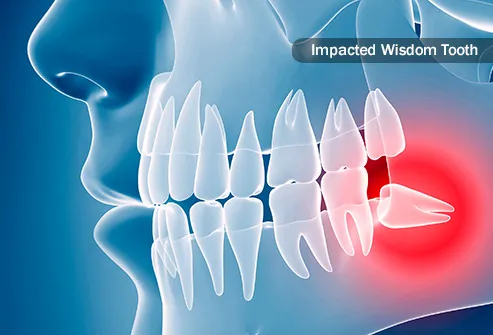
Removing one’s wisdom teeth is a common practice today, with most young adults going through the procedure at some point. But is it always necessary to do so? In this blog, Dr. Kami Hoss of the San Diego-based The Super Dentists explains the circumstances in which wisdom tooth removal is required.

Image source: verywellhealth.com

In a recent study, it was claimed that 60 percent of wisdom teeth removal in the U.S. is deemed unnecessary. The reason is that wisdom teeth growth does not cause any pain to merit a removal procedure. However, lack of pain can be misleading; it still depends on your dentist’s diagnosis. It can be that the pain will commence later and one’s wisdom tooth is already growing at an angle that disturbs the normal growth of nearby teeth or that it is completely stuck.

Image source: webmd.com

Again, problems can arise in the future if abnormal wisdom tooth growth is not detected. Often the procedure to remove a wisdom tooth becomes necessary if your dentist sees via an X-ray that it may damage neighboring teeth in the long run. It is also possible that an unextracted wisdom tooth will lead to cysts forming around it, which will lead to severe pain.

Aside from pain relief and damage to other teeth, other reasons for wisdom tooth removal include preventing jaw and nerve damage, the forming of cavities in the gums, inflamed gums, teeth crowding leading to misalignment (especially if you’ve been wearing braces), and various sinus issues like chronic congestion, adds Dr. Kami Hoss.

Dr. Kami Hoss MS, DDS, is the CEO of The Super Dentists. He is also an author, consultant, inventor, speaker, and entrepreneur. More information on Dr. Hoss and his work here.

All you need to know about bruxism

The condition in which a person grinds, gnashes, or clenches their teeth is called bruxism. An individual might be clenching their teeth unknowingly while their awake, or clenching and grinding their teeth during shuteye. Sleep bruxism and awake bruxism may damage one’s teeth.

Image source: cnn.com

Sleep bruxism is the type of bruxism that is regarded as a sleep-related movement condition. Individuals who suffer from such are likelier to experience other sleep disorders, including snoring and sleep apnea. While mild bruxism does not require treatment, frequent bruxism may need attention as it can cause other conditions. Dr. Kami Hoss, CEO of The Super Dentists, says that recurrent and severe sleep bruxism may result in jaw disorders, damaged teeth, headaches, and other health issues.

grinding-YA-teaser_1.jpg
Image source: ada.org.au


The short term effects of bruxism include loud and troublesome clenching and grinding of teeth. One’s jaw muscles may also feel tired and tight, and their neck and face may feel pain or discomfort; earache-like pain, indistinct headaches beginning from the temples, and inflammations on the inside of a person’s cheek due to chewing are also included.

If bruxism is left untreated, the condition could worsen. Flattened, chipped, fractured, and loose teeth are signs of severe bruxism. Dr. Kami Hoss says serious cases of bruxism can lead to the jaw popping or clicking, causing lockjaw. Persons who suffer from severe bruxism may also develop temporomandibular joint disorders and dysfunctions. The most expensive and long-term effect of the condition is the harm it causes on one’s teeth.

Dr. Kami Hoss is a sought-after author, consultant, inventor, and speaker in the fields of dentistry and business. He has a master’s in craniofacial biology and doctorate in dental surgery. For more updates, visit this blog.

The proper way to care for your teeth

Practicing proper oral care not only has effects on one’s appearance and confidence but on their overall health as well. A healthy smile is always pleasant to look at, and some people even consider it their great asset.

Image source: stylemotivation.com

Improper oral care can lead to plaque buildup and eventually, tooth decay. To stay away from possible dental health issues such as plaque and tooth decay, it’s integral to follow an effective oral care routine. Keeping the teeth and tongue clean and healthy can be done in a few easy steps, but with consistency. According to The Super Dentists’ CEO Dr. Kami Hoss, a person should brush their teeth at least two times a day: one before bedtime, and during the day.

Image source: yourdentistryguide.com

Instead of spitting out and rinsing after brushing, it’s best to let the fluoride stay on the teeth longer. Getting in the spaces between teeth can be tricky. Thus the use of interdental brushes and floss to get the job done is suggested by dentists and should be done at least once a day. Stay away from foods that may contain too much sugar, as these can hurt one’s teeth.

Brushing, flossing, and gargling aren’t enough. Dr. Kami Hoss encourages people to visit their dentist regularly to be sure that the spaces in between the teeth and their tongue are cleaned. In addition, having a dentist check one’s oral health can prevent them from having teeth, tongue, and gum disease, which are all results of poor dental care.

Dr. Kami Hoss is a sought-after author, consultant, inventor, and speaker in the fields of dentistry and business. He has a master’s in craniofacial biology and a doctorate in dental surgery. For more information on Dr. Hoss, visit this page.

Should children who play sports wear a mouthguard?

Children are encouraged to participate in sports or other physical recreational activities because of the many benefits it brings them. However, in these activities, it is important to ensure their safety. It is for this reason that in football, soccer, lacrosse, hockey, and other contact sports, kids are encouraged to wear a helmet, knee pads, and other relevant safety gear.

Image source: theblueroom.bupa.com.au

However, often overlooked is the prevention of oral injuries. Dr. Kami Hoss emphasizes that the proper gear starts with a high-quality mouthguard.

According to the American Dental Association (ADA), it is estimated that a third of all dental injuries are related to sports. The ADA also projects that over 200,000 injuries to the mouth can be prevented every year because of mouthguards.

Image source: bitemagazine.com.au

Some of the injuries that can be prevented are chipped, broken, knocked-out, and root damage to the teeth. Fractured jaws, crowns, or bridgework, and lip and cheek injuries can also be averted. Even concussion can be prevented, as a study on oral trauma has shown that 56 percent of concussion cases in sports occurred in the absence of a mouthguard.

A visit to the dentist, such as Dr. Kami Hoss, before playing sports is ideal so that the mouthguard can be customized to fit the child’s mouth. An effective mouthguard is one that not only protects but also provides comfort to the wearer.

Dr. Kami Hoss holds a master’s degree in craniofacial biology and a doctorate in dental surgery. Together with his wife, he co-founded The Super Dentists, the largest pediatric dentistry and orthodontic practice in San Diego. Visit this page to read more about dentistry.

Overcoming your fear of going to the dentist

To this day, as many as 40 million Americans choose not to see the dentist due to their fear and anxiety, a study found. Individuals fear going to the dentist for a number of reasons. Some expect to feel pain, while others are anxious that a dentist might rush into a procedure and overlook a concern.

Image source: 123dentist.com

Before heading to the dentist, it’s best for one to communicate how they feel about it. Trust and communication help in reducing stress. When a patient feels informed and in control throughout a checkup, they are typically less afraid. It’s common for a person to experience a certain level of fear and anxiety whenever they visit a physician or a dentist. Dentists are trained to treat patients who deal with anxiety.

Image source: dentaltelegraph.com

A patient is encouraged to talk to the dentist or the staff regarding their fear. This helps the dentist customize the treatment according to one’s needs. Focusing on proper breathing throughout dental procedures so as to not lose oxygen is good way to stay calm. When one loses air, the more they panic. Most dentists play tunes during procedures in order to foster a positive and calm environment for patients.

If the anxiety is great and is caused by fear of pain, it might be best to ask the dentist for additional medication to relax. Some dentists recommend sedation and anti-anxiety medicine for highly nervous patients. Also, poor oral health alone may cause others to avoid going to the dentist. But they too must be convinced to keep the mouth healthy and seek prevention through regular checkups.

Dr. Kami Hoss is a sought-after author, consultant, inventor, and speaker in the fields of dentistry and business. He is the co-founder of The Super Dentists, the largest pediatric dentistry and orthodontic practice in San Diego. For more updates from Dr. Kami Hoss, visit this blog.

Surprising ways sleep deprivation can affect your oral health

Every day, the body is used and pushed to its limits to accomplish what the mindsets out to do. Often, individuals disregard the idea of a good night’s rest for seemingly more important tasks. However, lack of sleep slows the body’s ability to heal itself, making more vulnerable to viruses and illnesses.

Image source: unilab.com.ph

The link between sleep deprivation and oral health is not a common topic to discuss, but it shouldn’t be ignored. The amount of sleep an individual gets every night has a connection with the onset of periodontitis or the formation of deep pockets in between gums and teeth. This causes the shifting and loosening of an individual’s teeth, and the destruction of the bone, which holds the teeth in their place. Research shows that individuals with seven to eight hours of shut-eye had lower risks of experiencing periodontitis as compared to individuals who slept less.

Image source: indianexpress.com

Lack of sleep can also trigger factors causing an increase in inflammation in the gums. This makes it a risk factor for other diseases like heart disease and stroke. A study revealed that sleep deprivation increases the production of inflammatory hormones. Inflammation that comes from these hormones might be a sign of gingivitis, which is a milder type of gum disease that has the potential to develop into periodontitis.

The quality of sleep matters. To have good oral health, a good night’s rest must become a priority. With a good sleep routine, the body can recover from all the stress it experienced during the day.

Dr. Kami Hoss is a sought-after author, consultant, and speaker in the fields of dentistry and business. He holds a master’s degree in craniofacial biology and a doctorate in dental surgery. For more updates like this, head over to this blog.

Teeth straightening: How it can be done

Technology has paved the way for effective teeth straightening today, where a perfectly aligned set of teeth can boost one’s smile and self-esteem. Orthodontic treatment has come a long way that techniques to achieve a great set of pearly whites now go far beyond metal bands and external headgears.

tooth-366335_1280.jpg
Image source: Pixabay.com


There are many compelling reasons to straighten one’s teeth and correct their crooked appearance. With straight teeth, it’s easier to keep teeth and gums clean, and there’s less wear and tear from clenching and grinding. There’s less chance of damaging one’s gums, as well as less stress on the jaw joint from bad biting habits and patterns.

A dentist can refer one to a specialist orthodontist if extra work is needed to achieve perfect teeth via straightening techniques. Dental braces, for one, have come a long way, with choices of classic metal and clear styles available today. Metal braces are made up of brackets, bonding material, arch wire, and ligature elastic, all working together to exert pressure on the teeth in the right direction.

dentist-2063254_1280.jpg
Image source: Pixabay.com

Invisalign is a popular method, where a set of custom designed aligners – made of clear plastic comfortably fitting around teeth – are created specifically for the patient. Over time, the trays gradually shift the patient’s teeth in the ideal direction.

Cosmetic contouring, on the other hand, helps address misshapen and not necessarily crooked teeth. It’s typically done in a single visit to the dentist and after a procedure that takes less than half an hour. It involves altering the shape as well as the length of the problematic teeth.

It’s important to steer clear of cheap straightening methods such as mail-order plastic aligner treatment. While they might be an affordable option in the short term, they can come at a steep price later on causing damaging results and consequences down the road. Remember to seek the supervision of an expertly trained professional in teeth straightening.

Dr. Kami Hoss holds a master’s in craniofacial biology and a doctorate in dental surgery. He also co-founded and built The Super Dentists with his business partner and wife, Dr. Nazli Keri. More dental tips here.


Tips for parents to help their kids overcome the fear of dentists

dentist-2264144_960_720
Image source: pixabay.com

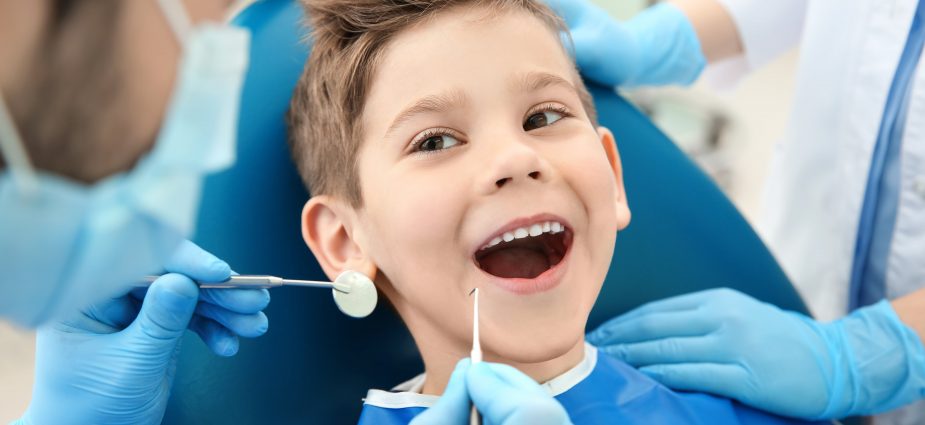
Parents know that the sooner their child feels at ease with their dentist, the better. Developing a habit of regular dentist visitation will generally keep your kid’s teeth healthy while promoting good oral hygiene.

However, many children treat the experience as horrific, especially since they’d be asked to sit down and have instruments inserted into their mouths. There’s, of course, the associated pain. But you’ve to find a way to help your children get over the fear. Here are some tips to get this done.

dentist-428647_960_720
Image source: pixabay.com

Firstly, don’t overexplain the visit, particularly the first one. You don’t want to give your child false promises that everything will be fine nor downplay the treatment required. You don’t know what extra procedures might be needed, so you should just keep positive as the visit nears. You don’t exacerbate your child’s anxiety with words like “pain,” “shot,” or “hurt.” Worse, your child might distrust both you and the dentist if expectations are not met.

Another tip is not to tell your kids about your own experiences with dentists. You might have anxieties about your visits in the past; it’s easy for your child to sense your apprehension. Cease from telling scary stories about root canals and other negative memories. Moreover, never bribe your child with special treats just so they will behave during the visit. They will only get more anxious and may even pretend that an aspect of the procedure isn’t hurtful when it in fact is.

Finally, it’s best to take your child to a professional pediatric dentist, where your child will feel more welcome as the dentist’s office will be more kid-friendly, with nice wall posters, pictures, and games. Plus, a pediatric dentist will know how to better handle any whining, wiggling, or possible tantrum the child may exhibit during the visit.

Dr. Kami Hoss is the CEO of The Super Dentists, the largest pediatric dentistry and orthodontic practice in San Diego. He is also the chief executive of Acceledontics and Howard Healthcare Academy. For more articles like this, click this link.